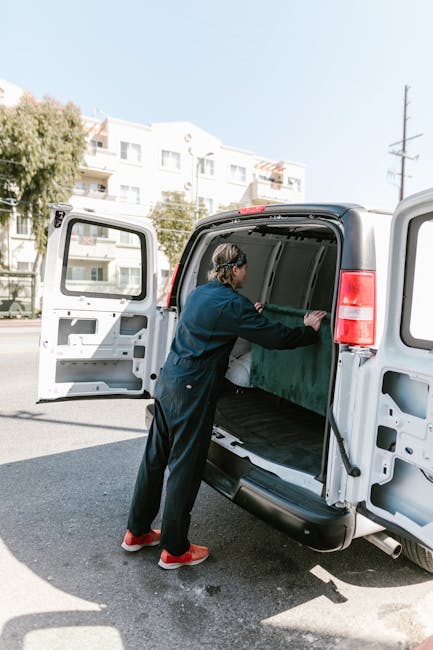
Deptford Market Man and Van Guide for Tight Access Moves
Moving near Deptford Market can feel deceptively simple until you meet the real-life obstacles: narrow streets, busy footfall, awkward loading points, shared entrances, and the kind of tight access that turns a quick job into a careful puzzle. A good man and van service is not just about having a van and a pair of hands. It is about planning the route, protecting the property, working efficiently around restrictions, and keeping the move calm even when the space is not.
This guide explains how a Deptford Market man and van guide for tight access moves should work in practice, what to look for, and how to prepare so you avoid delays, damage, and unnecessary stress. If you are comparing options, it may also help to look at a wider overview of moving services in Deptford before deciding what level of help you need.
Truth be told, most tight-access moves are not difficult because of the load itself. They become difficult when the vehicle cannot park close enough, the stairwell is awkward, or the items are not prepared for safe carrying. The good news? With the right setup, small-space moves can be smooth, predictable, and surprisingly efficient.
Why Deptford Market man and van guide for tight access moves Matters
Deptford Market is lively, characterful, and practical for everyday life, but that same energy can make moving more complicated. Tight access means the van may not be able to park directly outside your door, you may have a short carry distance, or you may need to work around shoppers, residents, barriers, and time-sensitive loading conditions. That is exactly where a skilled man and van team earns its keep.
In a tight-access setting, every extra step matters. A move that would be routine on a wide suburban road can become slower if the driver has to find a legal stopping point, if lifts are small, or if bulky furniture has to be turned at awkward angles. This is why the planning stage matters so much. The best moves start before the van arrives.
For local readers, tight access can also affect pricing and timing. A provider may need to allow more carrying time, more protective equipment, or a smaller vehicle to reach the property safely. If you want a feel for how local pricing is usually discussed, the pricing and quotes page is a useful place to understand what influences a moving estimate.
Expert summary: For tight-access moves, the real value is not just transport. It is planning, problem-solving, and the ability to move items safely when the usual "park outside and carry straight in" approach is not available.
How Deptford Market man and van guide for tight access moves Works
A tight-access move usually follows the same basic structure as any other removal, but with more attention to access, timing, and handling. The process starts with a realistic assessment. You identify how close the van can get, whether there are steps or narrow corridors, how heavy the items are, and whether any item needs to be dismantled before loading.
From there, the move is typically split into four practical stages: pre-move assessment, item preparation, loading and transport, and final placement. A good team will also think about protection. Floor runners, blankets, straps, and trolley equipment can make a big difference when space is tight and surfaces need to stay protected.
If you are moving a flat, student room, or compact home in the area, the principles are similar. You are simply reducing friction at each stage. That might mean using a smaller vehicle, staging boxes near the exit, or choosing a time when the street is quieter. For people in compact accommodation, services such as flat removals in Deptford often match the needs of tight-access moves more closely than a general move plan.
The most effective teams also communicate clearly. They will ask about access constraints rather than assuming them. A narrow stairwell, a coded entrance, or a limited stopping window can change the entire plan. That conversation is not red tape; it is what keeps the move safe and efficient.
Key Benefits and Practical Advantages
The biggest advantage of using a man and van for tight access is flexibility. Large removal vehicles are not always the best choice in built-up areas, especially where parking is limited or the load is modest. A van-based service can often get closer, turn more easily, and work more efficiently where a full-size lorry would be cumbersome.
There is also a major safety benefit. Moving a wardrobe down a narrow stairwell or through a shared hallway is not just tiring; it is risky if done without enough hands, the right carrying technique, or proper protection. If you want to understand the lifting side of the job in more depth, the article on kinetic lifting and practical moving technique explains why smart body mechanics matter.
Other practical benefits include:
- Shorter loading and unloading times when the route is well planned
- Lower risk of wall, doorframe, and floor damage
- More suitable vehicle sizing for busy streets
- Better control over fragile or awkward items
- Fewer surprises on moving day
That last point matters more than people expect. Once a move starts, uncertainty becomes expensive in time and energy. Tight access rewards the teams that have thought ahead.
Who This Is For and When It Makes Sense
This kind of service is especially useful if you are moving from a top-floor flat, a house with a narrow front path, a property with restricted roadside access, or somewhere close to a busy commercial zone. It is also a smart fit for students, renters, and anyone moving a relatively small number of items who still needs professional help.
It can make particular sense if you have:
- Bulky furniture that will not fit easily through tight corners
- Limited parking or a loading bay far from the property
- A short-notice move that needs quick coordination
- Fragile items that should not be hurried by a DIY approach
- Shared access areas where care and quiet handling matter
If the move involves an office, specialist item, or a larger household, the right option may change. For example, office contents need different planning from a one-bed flat. You can compare that kind of service with the dedicated office removals in Deptford page if your move is more work-focused than domestic.
As a rule of thumb, if you are wondering whether a man and van can cope with the access, you should assume the answer depends on the detail, not the headline. Measure, photograph, and describe the route. A 20-second video of the entrance can save a long phone call later.
Step-by-Step Guidance
Here is the most reliable way to prepare for a tight-access move near Deptford Market.
- Map the access route. Walk the path from your front door to where the van can reasonably stop. Note steps, gates, low ceilings, sharp turns, and uneven ground.
- Measure the awkward items. Door widths, sofa depth, mattress length, and staircase landings matter more than people think.
- Sort items by difficulty. Put the largest or most fragile items at the top of the discussion so the moving team can plan around them.
- Pack for carrying, not just storage. Boxes should be manageable, sealed, and clearly labelled. Heavy books should not be packed into oversized boxes that become impossible to lift safely.
- Reserve the best possible time slot. Off-peak loading is usually easier than trying to move while the street is at its busiest.
- Keep entrances clear. Shoes, parcels, plant pots, and bikes can become unnecessary obstacles in a narrow hallway.
- Use the right help for specialist pieces. Beds, sofas, freezers, pianos, and wardrobes often need more than brute strength.
That preparation can be paired with a few sensible pre-move tasks. Decluttering before moving reduces the number of trips and lowers the chance of last-minute sorting in a cramped doorway. If you want a deeper guide, see the advice on decluttering before a move.
For packing, a well-organised approach gives the crew more control and gives you more peace of mind. A helpful reference is the guide to packing for a successful house move, which covers the logic behind better box preparation.
Expert Tips for Better Results
Small-access moves are won with details. Here are the practices that usually make the biggest difference.
- Photograph access points in daylight. A clear image of the hallway, stairs, entrance, or parking position helps estimate what the team will face.
- Disassemble furniture early. Beds, tables, and some wardrobes often become much easier to handle when they are broken into safer sections.
- Protect tight corners before moving starts. A little extra padding on a wall edge is often cheaper than repairing a scuff later.
- Label fragile items on more than one side. In a cramped move, boxes are not always placed the way you expect.
- Leave a clear landing zone. If the van has to unload away from the front door, you still need somewhere sensible to stage items briefly.
- Keep keys, codes, and contact details ready. Access delays often come from avoidable communication gaps.
One often-overlooked tip: plan for the return journey too. If you are leaving a property in good order, schedule cleaning and final checks after the move, not before it. A tidy handover is easier when the furniture is already gone. For that side of the process, the article on house cleaning on moving day is worth reading.
And if you have a bed or mattress involved, do not leave that until the last minute. Bed components are notorious for becoming awkward when you are tired. The guide on moving beds and mattresses more easily gives sensible, practical pointers.
Common Mistakes to Avoid
Most problems in tight-access moves are preventable. The trouble is that people often underestimate the "small" details.
1. Assuming the van can stop right outside. In busy or restricted areas, that is not always realistic. Always plan for a carry distance, even if it is short.
2. Leaving packing too late. Half-packed boxes slow everything down. They also make it harder to stack safely in the van.
3. Overfilling boxes. Heavy boxes are one of the fastest ways to create unnecessary strain and delays.
4. Forgetting to measure access points. A sofa that fits in the room may still fail at the stair turn.
5. Not mentioning restrictions upfront. If there is a time limit, a tight parking zone, or a shared stairwell, say so early. A good mover would rather know than guess.
6. Ignoring specialist items. Pianos, large mirrors, and glass furniture each bring their own handling needs. If you have a piano, use the specialist resource on why piano moving is not a DIY job before deciding how to proceed.
7. Treating insurance as an afterthought. Good removal teams take safety seriously, but you should still ask how the move is covered and what the process is if something goes wrong.
None of this is glamorous. But moving rarely is. The more boring your planning looks on paper, the smoother the day usually feels in real life.
Tools, Resources and Recommendations
You do not need specialist equipment for every move, but the right basics can make a real difference. For tight access, the most useful items are often simple.
- Furniture blankets for corners, polished surfaces, and framed items
- Ratchet straps or securing straps to keep loads steady in transit
- Flat trolleys or sack trucks for heavier boxes and appliances where appropriate
- Door guards and floor protection for narrow entries and hallways
- Label stickers and marker pens for faster unloading
- Measuring tape for access checks and furniture planning
Some moves also benefit from temporary storage, especially if access is awkward and timing is split across different days. A secure option such as storage in Deptford can reduce pressure if you need to stage items before final delivery.
If you need to reduce the number of objects being moved, packing supplies matter more than people expect. A structured approach to packing and boxes in Deptford can save time, space, and lifting effort.
For people who want a more hands-off experience, services such as man with van in Deptford or man and van in Deptford can be practical ways to match the level of help to the size of the job.
Law, Compliance, Standards, or Best Practice
Moving home is not heavily regulated in the way some trades are, but sensible compliance and good practice still matter. Parking and loading should be managed legally and respectfully, especially around busy streets and shared access points. In a market area, that means paying attention to local restrictions, avoiding blocked entrances, and keeping pedestrian routes as clear as possible.
There is also a duty of care angle. A professional mover should work in a way that reduces the risk of injury and property damage. That usually means using suitable lifting methods, not overloading one person, and choosing equipment that fits the task. If you want to see how a provider frames that responsibility, the health and safety policy and insurance and safety information are useful trust pages to review.
Best practice also includes clear terms, realistic quotes, and transparent communication. It should be easy to understand what is included, what access assumptions were made, and whether extra carrying time could affect the final cost. If a quote sounds too vague, ask for clarification before moving day. That is not being difficult; it is being sensible.
For comparison, the terms and conditions and payment and security pages are the kind of pages customers should read when choosing any removal provider. They help set expectations and reduce misunderstandings.
Options, Methods, or Comparison Table
Not every tight-access move needs the same solution. Sometimes a small van and two experienced movers are ideal. Sometimes a larger home move needs a more structured removal plan. The right choice depends on volume, access, and timing.
| Option | Best for | Strengths | Limitations |
|---|---|---|---|
| Man and van | Small to medium loads, awkward access, quick local moves | Flexible, easier parking, often faster in tight streets | Less suitable for very large household contents |
| Full removal team | Larger homes, multi-room moves, heavier inventories | More manpower, more structured handling | Can be less agile in cramped areas |
| Partial move with storage | Split moves, renovations, uncertain completion dates | Reduces pressure and staging issues | Extra handling and coordination needed |
| DIY with hired van | Very small loads and experienced movers | Can be cheaper upfront | Higher physical effort and greater risk in tight access |
If you are unsure which option fits, compare your access route, not just your inventory list. A modest load in a difficult building can be harder than a larger load with easy ground-floor access.
For people who want a broader move plan, the local removals in Deptford page can help you see how small moves and larger home moves differ in practice.
Case Study or Real-World Example
Imagine a one-bedroom flat near Deptford Market with a narrow stairwell, no lift, and street parking that is rarely right outside the building. The load includes a bed frame, mattress, two wardrobes, a sofa, several boxes, and a small freezer. A DIY approach would mean repeated trips, awkward turns, and a much higher chance of scuffed walls or strained backs.
In a practical man and van approach, the mover first confirms access from photos and a short description. The bed frame is dismantled. The sofa is wrapped. Boxes are grouped by weight and labelled. The van is positioned at the most realistic legal stopping point, and the route from street to doorway is kept clear. The team works in a planned sequence rather than trying to move everything at once.
The difference is not just physical effort. It is pace. Once the move is staged properly, the same awkward flat suddenly feels manageable. That is the value of experience: it turns a difficult space into a workable one.
For items like freezers, extra care is needed if the appliance is being moved or stored briefly. If that applies to you, see the guide to storing an idle freezer properly so you do not create an avoidable issue after the move.
Practical Checklist
Use this checklist before moving day. It keeps the job grounded and reduces surprises.
- Measure doors, stairs, hallways, and lift access
- Photograph the entrance and the loading point
- Confirm parking or stopping options in advance
- Pack heavy items into smaller, safer boxes
- Disassemble oversized furniture where possible
- Label fragile, heavy, and priority items clearly
- Clear hallways, landings, and doorways
- Tell the mover about any access restrictions
- Check whether specialist handling is needed for sofas, beds, pianos, or appliances
- Keep keys, contact details, and entry codes ready
- Review insurance, terms, and timing before confirming
- Arrange cleaning or final checks after the move, not during the rush
If you want to simplify the job further, consider whether you can offload any non-essential items before moving. A little decluttering and disciplined packing often saves more time than an extra hour of frantic effort later.
Conclusion
A Deptford Market move with tight access is rarely about brute force. It is about preparation, local awareness, and choosing the right moving method for the space you actually have, not the space you wish you had. The best man and van service will help you plan the route, protect the property, and make practical decisions that keep the move efficient and safe.
When you measure access properly, pack intelligently, and communicate the awkward bits early, the process becomes much easier. That is the real secret. Not magic. Just good planning and the right kind of help.
Get a free quote today and see how much you can save.
If you are ready to compare options or ask about a specific access challenge, the fastest next step is to contact the Deptford team and share a few photos or measurements. A clear starting point usually leads to a calmer moving day.
Frequently Asked Questions
Can a man and van handle a move with very limited parking near Deptford Market?
Yes, often it can. The key is honest planning. If the van cannot stop directly outside, the team should work with the actual loading distance and choose the best legal stopping point available.
What makes tight access moves more expensive?
Usually it is the extra time and handling involved. If items must be carried further, turned through narrow spaces, or dismantled before loading, the job may take longer than a straightforward roadside move.
Should I measure my furniture before booking?
Absolutely. Measuring sofas, beds, wardrobes, and appliances helps avoid access surprises. Door widths and stair turns matter just as much as the item size itself.
Is a small van better than a larger removal vehicle for tight access?
Often yes, especially where parking is restricted or streets are narrow. A smaller, well-planned vehicle can be easier to position and quicker to unload in busy local areas.
What should I tell the mover before moving day?
Share access details, parking restrictions, floor level, lift size if relevant, heavy or fragile items, and anything that could slow loading. A few accurate details are far better than a vague summary.
Can you move sofas or beds through narrow stairwells?
Sometimes, yes, but they may need dismantling, careful turning, and protective wrapping. Beds and sofas are common troublemakers in tight spaces, so preparation matters.
Do I need special help for a piano or very heavy item?
Usually you do. Pianos, large appliances, and oversized furniture need the right handling approach. Specialist support is the safer choice for anything awkward, heavy, or valuable.
How can I make the move faster on the day?
Pack fully, label boxes clearly, clear the access route, and keep the entrance ready. If the mover can start immediately, the whole job tends to flow better.
What if I need storage as part of the move?
Storage can be a smart solution if access is awkward or timings do not line up. It reduces pressure and gives you more flexibility if the new place is not ready yet.
Is it worth using professional movers for a small flat?
Yes, especially if access is difficult. A small flat with awkward stairs or restricted parking can be more challenging than a larger property with easy entry.
How do I know if the quote is fair?
Look at what is included, how access has been assessed, and whether the provider has asked sensible questions. A fair quote should reflect the actual work, not just the size of the van.
Can I help with lifting during the move?
You can, but only if it is safe and agreed in advance. In many cases, the better choice is to let the movers handle the heavy or awkward items while you focus on access, directions, and final checks.
Where can I learn more about the service options available locally?
You can review the local man and a van and removal services pages to compare the kinds of support that suit different move sizes and access conditions.