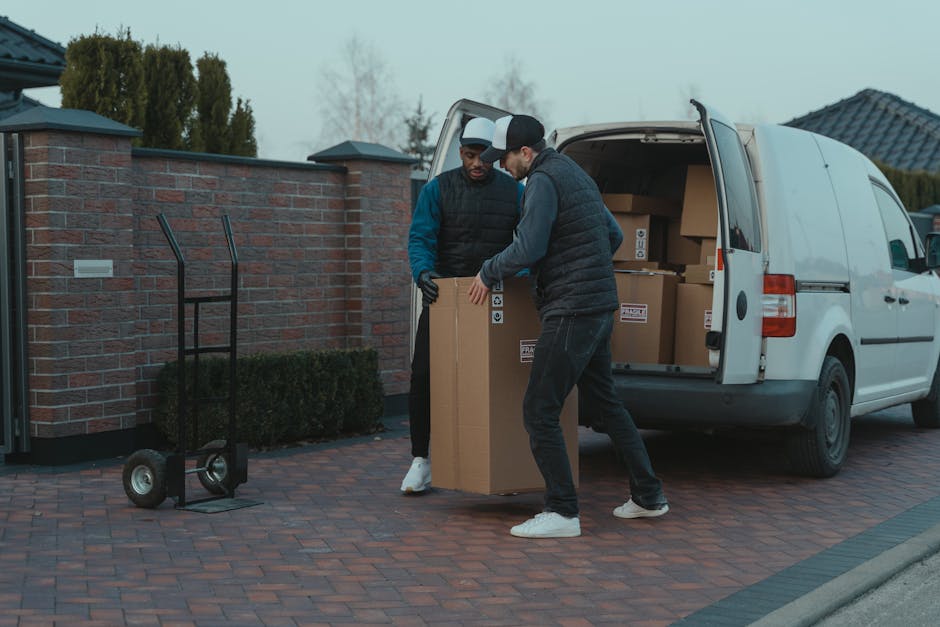
Real cost of Deptford man and van versus DIY moving

Moving looks simple on paper. Hire a van, borrow a few boxes, rope in a mate, and you're done by tea time. In real life, though, the Real cost of Deptford man and van versus DIY moving is rarely just the headline price. Fuel, parking, wasted time, damaged furniture, back strain, and the odd surprise charge can change the maths fast. If you're weighing up a man and van against doing it yourself in Deptford, this guide breaks it down in plain English so you can make a proper decision, not a hopeful one.
That matters more than people think. Deptford is busy, parking can be awkward, and a move that seems small can suddenly become a long, tiring day. The difference between a good move and a stressful one often comes down to planning, loading efficiency, and whether you want to spend your Saturday wrestling a wardrobe down a stairwell. Let's get into the real numbers, the hidden trade-offs, and the situations where one option makes more sense than the other.
Why the real cost matters
The obvious price is only one part of the story. A DIY move can look cheap because you only see the hire fee for a van or the cost of petrol. But the total spend often expands once you include mileage, insurance excess, packing supplies, tolls if relevant, and the time you or your friends lose out of the day. In Deptford, those extras can matter even more because short urban moves are often slowed down by traffic, waiting, and limited parking.
By contrast, a man and van service bundles labour and transport together, which makes the cost easier to understand. You are paying for two things at once: a vehicle and someone who knows how to load, secure, and move items without wasting half the afternoon figuring it out. That does not automatically make it the cheaper choice, but it often makes it the better-value one.
There is also a hidden emotional cost. DIY moving can be exhausting in a way people only remember after the fact. The first trip is fine. The second is fine-ish. By the third, you're wondering why that chest of drawers suddenly weighs as much as a piano. Worth it? Sometimes yes. But not always.
Key point: the real cost is not just pounds paid at the counter. It is the full mix of money, time, energy, risk, and inconvenience.
How the comparison works
To compare a Deptford man and van with DIY moving properly, you need to look at the same categories for both options. Otherwise it's apples and oranges, and that never helps anyone.
For a man and van, the cost usually reflects the size of the vehicle, time on site, distance, loading complexity, and sometimes help with furniture disassembly or carrying items up and down stairs. Some jobs are straightforward; others need more care, more time, and a bit of patience. If you are comparing options, the service pages on pricing and quotes and removal services are the most sensible starting points.
For DIY moving, the costs are spread across several buckets:
- van hire or truck hire
- fuel
- insurance add-ons or excess protection
- parking charges or permits where applicable
- packing materials like boxes, tape, blankets, and bubble wrap
- food, drinks, and fuel for helpers
- replacement costs if something gets scratched, dropped, or crushed
- your time, plus the time of anyone helping you
Then there is the labour side. DIY sounds free because friends help out, but their time still has a value. Maybe you are not paying in cash, but you are asking people to give up a Saturday, carry boxes, and possibly endure a narrow staircase or two. That's not nothing.
The cleanest way to compare the two is to ask: What would it cost me to move everything safely, in one go, with the least stress? Once you ask that, the answer gets clearer.
Key benefits and practical advantages
Each approach has strengths. The trick is matching them to your actual move, not your idealised version of it.
Why people choose a man and van
- Less physical strain: someone else helps with lifting, carrying, and loading.
- Fewer trips: the right vehicle can often reduce multiple runs back and forth.
- Better time control: you are not juggling keys, traffic, and DIY logistics all at once.
- Lower damage risk: experienced movers tend to handle awkward items more safely.
- Better for time-sensitive moves: especially if you are working to a handover deadline.
For flats, smaller home moves, and student moves, this can be a very tidy solution. If stairs, limited access, or bulky furniture are involved, it often starts to look even better. You can also look at related options such as flat removals or student removals if your situation is a little more specific.
Why people choose DIY
- Potentially lower upfront spend: especially for tiny loads.
- Full control: you decide the schedule, route, and loading order.
- Flexible for odd timing: if you only need to move a few things.
- Can work well for very small moves: a room, a few bags, or lightweight items.
DIY is not pointless at all. In fact, for some people it is the right answer. If you only have a handful of boxes and a few soft items, why pay for more than you need? The problem is that many moves start small in the mind and grow larger in the hallway.
For bigger household jobs, you may want to compare against home moves or house removals so you can judge the right level of support.
Who this is for and when it makes sense
This comparison matters most if you are trying to balance budget against practicality. That includes a lot of people in Deptford, from renters moving between flats to families shifting across South East London, to small businesses relocating stock or desks.
You are probably a good fit for a man and van if:
- you want help with lifting and loading
- you have furniture that is awkward, heavy, or fragile
- you are short on time
- you do not want to chase friends for favours
- you want a clearer total price rather than lots of separate costs
DIY may make sense if:
- your load is genuinely tiny
- you already have access to a suitable vehicle
- you have strong help available
- you are not moving far
- you have enough time to do several runs if needed
Office moves and commercial jobs are a different beast altogether. Even a modest office clear-out can become messy without proper planning, which is why pages like office removals and commercial moves exist for a reason. Desks, monitors, paperwork, and IT kit are not things you want to throw into the boot and hope for the best.
Truth be told, if your move includes stairs, tight corners, or valuable items, the DIY savings can evaporate very quickly.
Step-by-step guidance
Here is a sensible way to decide, without overthinking it for three days and then still feeling unsure. Been there. Not fun.
- List everything you are moving. Go room by room and write down the bulky items first.
- Estimate the volume. If the move looks like more than a small car boot load, pause and reassess.
- Check access at both ends. Note stairs, lift size, parking, distance from door to vehicle, and any awkward turns.
- Price the DIY route honestly. Include van hire, fuel, insurance extras, boxes, tape, blankets, and snacks for helpers.
- Ask for a man and van quote. Compare the quote against your full DIY estimate, not your optimistic one.
- Factor in your time. A cheaper move that takes all day may not actually be cheaper.
- Choose based on risk, not just price. One damaged sofa can wipe out the difference pretty fast.
A useful trick is to imagine the worst ten minutes of the move. Maybe it is carrying a mattress down a narrow stairwell, or waiting for a loading space while your friend stands in the road looking mildly concerned. If that part already sounds stressful, the cheaper option may not be the better one.
If you need more help with packing before moving day, the pages on packing and boxes and packing and unpacking services can be useful complements to the moving decision itself.
Expert tips for better results
In practice, the best move is usually the one that reduces uncertainty. Small details matter more than people expect.
- Disassemble early: take apart bed frames, table legs, and other bulky pieces before the vehicle arrives.
- Label by room: it saves time at the new place and keeps everyone calmer.
- Protect edges and finishes: a blanket, sheet, or proper wrap can stop a lot of hassle.
- Keep essentials separate: keys, documents, chargers, tea bags, loo roll. The important things, basically.
- Measure doorways and stair turns: especially for wardrobes, sofas, and white goods.
- Think about parking before moving day: in Deptford, a few extra metres can feel like a mile when you're carrying a fridge.
A slightly more advanced tip: compare the time to move one heavy item safely against the total time you spend loading, driving, unloading, and returning a hired van. Often the real killer is not the first lift. It is the tenth.
If your move is unusually urgent, a same-day option can be worth looking into. The same-day removals page is relevant if timing is tight and you need a quick turnaround rather than a drawn-out weekend project.
Common mistakes to avoid
A lot of DIY moving overruns happen for very ordinary reasons. Not dramatic ones. Just everyday oversights that pile up.
- Underestimating volume: "It's only a few bags" usually becomes "Where did all these boxes come from?"
- Ignoring loading time: the van journey is often the shortest part.
- Forgetting parking or access limits: especially around busy streets and flats.
- Not protecting fragile items: dishes, glass, lamps, and screens need more care than people think.
- Asking too few helpers: two strong people beat four unprepared ones, most days.
- Overpacking boxes: a box of books can become a back injury waiting to happen.
- Failing to compare total cost: if you only compare the van hire against one quote, you are not comparing properly.
The funny thing is that many people only discover the mistake after the first long carry. The floor gets quiet, everyone looks at the sofa, and someone says, "We may have misjudged this." That's the moment to admit the plan needs adjusting.
Tools, resources and recommendations
You do not need a truckload of kit to move well, but the right basics help a lot. For a DIY move, useful items usually include:
- sturdy boxes in a few different sizes
- strong tape and a tape dispenser
- marker pens for room labels
- furniture blankets or thick covers
- stretch wrap for drawers and loose parts
- gloves with a decent grip
- straps or bungees to secure items in transit
For a man and van move, the biggest resources are often planning and communication. Be clear about access, item sizes, stairs, and whether you need any specialist handling. If you have a heavy item or an awkward collection of furniture, the pages on furniture removals and moving truck can help you think through the load type and vehicle size.
If you are not sure whether you need a smaller service or a more comprehensive setup, it can also help to compare removal van and removal truck hire style solutions to see what fits your actual volume.
One last point: if you are moving items that you will not keep, or furniture that is being replaced, you may want to look at furniture pick up or furniture removals rather than hauling everything yourself. Less clutter, fewer headaches. Simple enough.
Law, compliance, standards and best practice
For most domestic moves, the legal side is straightforward, but a sensible move still needs a bit of care. In the UK, vehicle loading, road safety, and insurance all matter. If you are DIY moving, you are responsible for making sure the load is secure, the van is driven safely, and the driver is properly insured for the purpose. That sounds obvious, but in practice it is where many people get caught out.
There is also the practical matter of liability. If you hire a van and damage occurs, your cover may depend on what was agreed, how the vehicle was used, and whether the load was secured correctly. Read the terms properly. I know, thrilling stuff. Still worth it.
With a professional service, you also want to understand what is included, how fragile items are handled, and what happens if access is more difficult than expected. This is where pages such as insurance and safety, health and safety policy, and terms and conditions become genuinely useful, not just formalities.
Best practice is pretty simple: disclose the truth about the move, pack securely, avoid overloading boxes, and choose the option that suits the actual risks involved. If your move is straightforward, DIY can be fine. If the move is heavy, awkward, or time-sensitive, professional help often gives better value overall.
Options, methods and comparison table
Here is a clean side-by-side view of the two approaches. The numbers vary by move size, so treat this as a decision guide rather than a fixed price list.
| Factor | Deptford man and van | DIY moving |
|---|---|---|
| Upfront spend | Usually higher than a bare van hire fee, but more inclusive | Can look cheaper at first glance |
| Labour | Included or partly included | You provide the labour, often with friends or family |
| Time | Usually more efficient | Often longer, especially with multiple trips |
| Physical effort | Lower for you | Higher, sometimes a lot higher |
| Risk of damage | Generally lower if handled professionally | Higher if you are inexperienced or rushed |
| Flexibility | Good, but depends on availability | Very flexible if you have your own vehicle and helpers |
| Best for | Flats, homes, furniture, time-sensitive moves | Very small loads, simple access, low-risk items |
There are also hybrid options. Some people hire help for the heavy lifting and do the packing themselves. Others use a van for the transport part but keep the loading small and organised. That middle ground is often overlooked, and honestly it can be the sweet spot.
Case study or real-world example
Imagine a typical Deptford flat move: one bedroom, a small sofa, a desk, a mattress, a few shelves, and around twenty boxes. DIY looks doable because the property is not huge. You could hire a van, get two friends involved, and spread the move over a day. On paper, that saves money.
Then the practicalities arrive. The van is not parked right outside. One friend has to leave early. The wardrobe does not fit through the stair landing unless it is tilted awkwardly. The boxes are heavier than expected because nobody wanted to make two trips from the kitchen. By late afternoon, everyone is tired and a bit cross. Nothing catastrophic, just one of those days.
Now compare that with a man and van booking for the same move. The vehicle turns up ready, the loading is quicker, the awkward items are handled with a bit more confidence, and the whole thing is done in less time. The price may be higher than basic van hire, yes, but you may also avoid extra fuel, damage risk, and the cost of several people losing a day to unpaid labour. That is the real calculation.
For larger or more specialised jobs, the gap becomes clearer. A piano, for example, is not a "brute force and hope" item. It needs proper handling. The same goes for office kit, fragile furniture, and storage transfers. In those cases, the cheapest option can become the most expensive very quickly.
Practical checklist
Use this before you decide.
- Have I listed every bulky item?
- Do I know the total number of boxes and bags?
- Have I checked parking and access at both addresses?
- Have I counted fuel, van hire, and insurance in the DIY figure?
- Do I have enough helpers for the heaviest items?
- Have I allowed time for dismantling and reassembly?
- Am I moving anything fragile, valuable, or awkward?
- Would a professional service reduce the chance of damage?
- Do I need packing support before move day?
- Would storage help if the move cannot happen all at once?
If you answer "no" to several of these, it may be time to step back and compare the options again. A little hesitation now can save a long, expensive day later.
For temporary overflow or staged moves, storage can be part of the solution too, especially when move-out and move-in dates do not line up neatly. That happens more often than people admit.
Get a free quote today and see how much you can save.
Conclusion
The real cost of Deptford man and van versus DIY moving is not a single number. It is the sum of money, time, effort, access, and risk. DIY can be the right call for very small, simple moves. But once furniture gets heavy, parking gets awkward, or the schedule gets tight, the value of a professional man and van service becomes much easier to see.
What matters most is choosing the option that fits your actual move, not the one that sounds cheapest in theory. If you compare properly, the answer usually reveals itself. And if you are still on the fence, that is normal. Moving is one of those jobs that looks easy until you are halfway through it with a mattress in the rain.
Choose the calmer route if you can. Your back will thank you later.
Frequently Asked Questions
Is a man and van cheaper than DIY moving in Deptford?
Not always on the headline price, but often cheaper in the full sense once you add van hire, fuel, insurance, boxes, helpers, and lost time. For bigger moves, the balance often shifts towards the professional option.
What is the biggest hidden cost of DIY moving?
The biggest hidden cost is usually time, followed closely by damage risk. A cheap van hire can turn into an expensive day if you need extra trips or if an item gets damaged in transit.
When does DIY moving make sense?
DIY tends to work best for very small moves, especially when you already have a suitable vehicle, a bit of help, and no awkward furniture to handle. Simple jobs, simple access, low stress.
What kinds of moves suit a man and van service best?
Flat moves, small house moves, furniture transport, student moves, and time-sensitive relocations often suit a man and van service very well. It is also useful when access is awkward or when items are heavy.
Should I include my friends' time in the DIY cost?
Yes, at least mentally. They may not ask for payment, but their time still has value. It also helps you compare options more honestly, rather than pretending help is free forever.
How do I compare a quote with DIY moving properly?
Put every DIY cost into one figure: van hire, fuel, insurance, parking, packing supplies, and any extra trips. Then compare that number with the moving quote. That is the fair comparison.
Is it worth paying more for help with loading?
Often yes, especially if you have stairs, heavy items, or a tight schedule. Loading is where many moves become slow and tiring, and it is also where damage is most likely to happen.
What if I only need to move a few pieces of furniture?
That can be a good fit for furniture-focused transport rather than a full DIY day. Options like furniture removals are designed for exactly that kind of job.
Do I need special help for office or commercial moves?
Usually yes, or at least a more structured plan. Office equipment, files, and furniture can be awkward and time-sensitive, so a service built around office relocation services or commercial moves is often a better fit.
What should I check before booking a man and van in Deptford?
Check access, parking, item sizes, timing, and what is included in the service. It also helps to understand the provider's safety and insurance approach, especially if you have fragile or valuable items.
Can I combine DIY packing with a hired mover?
Absolutely. Many people pack their own boxes and hire help for the transport and lifting. That hybrid approach can save money without making moving day miserable.
What is the smartest next step if I am undecided?
Make two honest totals: one for DIY and one for a man and van quote. Then compare them against stress, time, and risk as well as price. If the move is more complicated than it first appeared, the answer usually becomes obvious pretty quickly.
For help with moving options, service details, and practical pricing, you can review about the company and the wider removals information too, then decide what feels right for your day. Sometimes the calmest move is the cheapest one in the end.